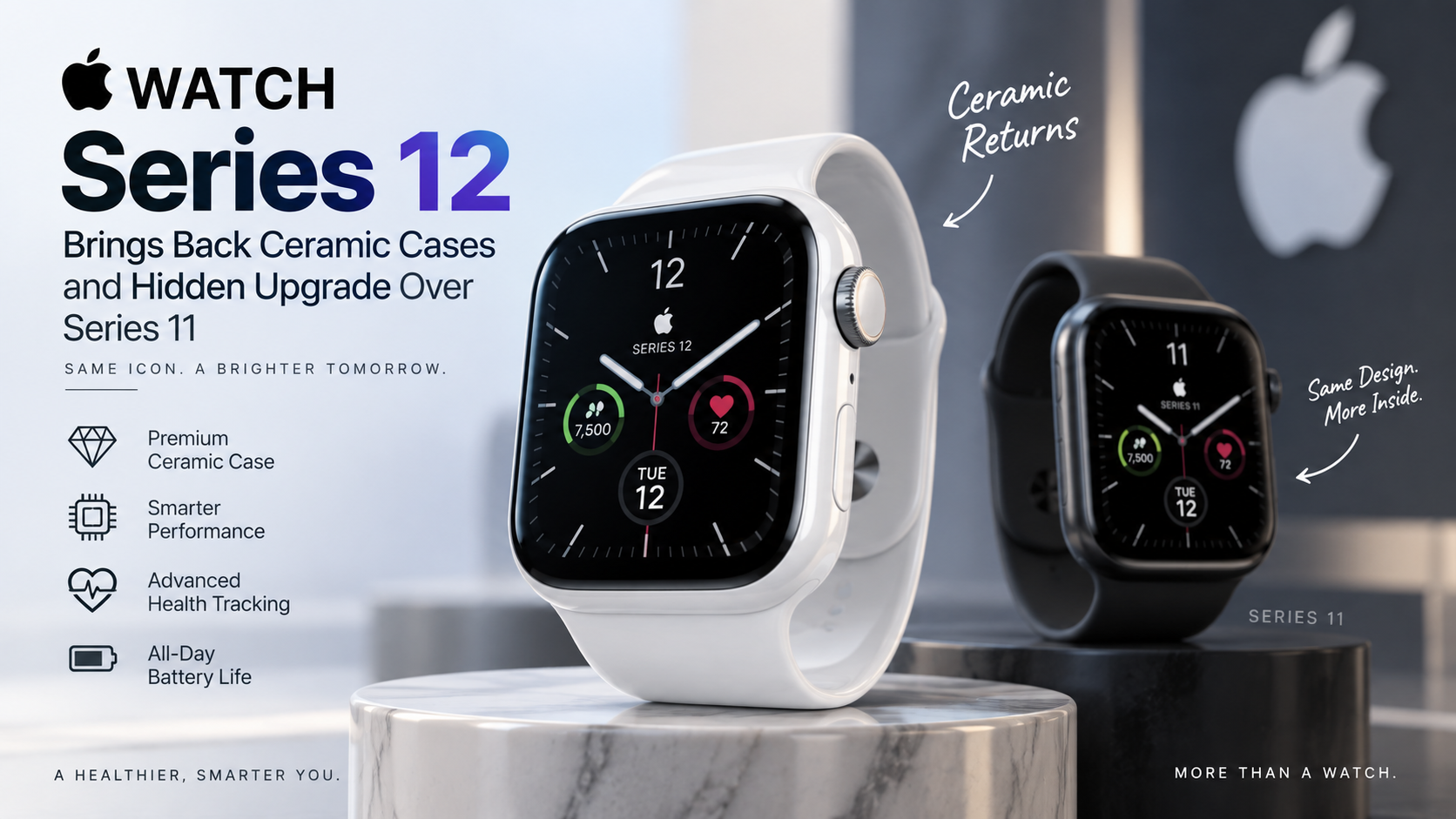
Artificial intelligence is evolving at an incredible pace, and Google’s latest innovation, Google Nano Banana 2, is proof of how far image generation technology has come. Designed as the successor to Google’s earlier Nano Banana model, this new version brings faster performance, higher image quality, and smarter understanding of user prompts. It represents a major step forward in making professional-level AI image creation accessible to everyday users.
Nano Banana 2 is officially powered by Gemini 3.1 Flash Image, a model built to combine speed and creativity. Unlike earlier versions that sometimes required advanced technical prompting, this new model understands natural language more effectively. Users can describe scenes, characters, lighting, styles, and even specific design requirements, and the AI produces detailed, visually rich outputs in seconds. The focus is on both performance and precision.
One of the standout features of Nano Banana 2 is its speed. Built on Google’s Flash architecture, it generates images significantly faster than many previous AI image tools. This makes it especially useful for content creators, marketers, bloggers, and designers who need quick turnaround times. Whether it’s social media graphics, blog illustrations, thumbnails, or ad creatives, the model delivers rapid results without compromising much on detail.

Text rendering inside images has also improved dramatically. One of the common challenges with earlier AI image generators was distorted or unreadable text. Nano Banana 2 handles typography more accurately, making it useful for creating posters, infographics, product mockups, and promotional materials where readable text is essential.
Google has integrated Nano Banana 2 across multiple platforms. It is available through the Gemini app, and also powers features inside Google Search AI Mode and Google Lens. This wide integration means users do not need specialized software to access advanced AI image generation — it is built directly into tools they already use daily. Developers can also explore its capabilities through Google’s AI platforms, expanding its potential in apps and digital services.
The model is also capable of maintaining subject consistency across multiple elements in a single prompt. For example, it can keep several characters and objects visually coherent within one scene. This is particularly useful for storytelling, branding projects, or visual campaigns where consistency matters.
In terms of impact, Nano Banana 2 strengthens Google’s position in the competitive AI image generation space. It aims to provide high-end creative tools to a broader audience, not just professionals. While some early users have shared mixed opinions about specific quality differences compared to previous pro versions, the overall reception highlights its speed, accessibility, and improved prompt understanding.
In conclusion, Google Nano Banana 2 represents a powerful advancement in AI-driven creativity. With faster generation, better text handling, high-resolution output, and seamless integration across Google services, it brings professional image creation closer to everyday users. As AI continues to evolve, tools like Nano Banana 2 are shaping the future of digital content creation.